
Hidden Car Accident Injuries: 7 Symptoms that Show Up Weeks Later
A delayed onset of pain is common after auto accidents. That is one reason timely documentation and a thorough examination matter. Waiting until symptoms become severe can make recovery more difficult and may create gaps in your medical record for an insurance or personal-injury claim.
⚠ Florida law: you have 14 days after your accident to see a doctor — or lose up to $10,000 in PIP benefits.
Same-Day Appt → (850) 508-5951
Written by
Dr. Eric Pragle, D.C.
Car Accident Chiropractor · Pragle Chiropractic, Accident And Injury Clinic Tallahassee FL
Dr. Eric Pragle is a licensed Doctor of Chiropractic specializing in automobile accident injury evaluation and treatment. With deep expertise in Florida PIP insurance law, he helps Tallahassee accident victims navigate their coverage and receive the care they need — from initial evaluation through full recovery.
Key Takeaway
A delayed onset of pain is common after auto accidents. That is one reason timely documentation and a thorough examination matter. Waiting until symptoms become severe can make recovery more difficult and may create gaps in your medical record for an insurance or personal-injury claim.
Hidden Car Accident Injuries: 7 Symptoms That Show Up Weeks Later
A car accident can leave you feeling shaken but seemingly “fine” in the days afterward. Unfortunately, the absence of immediate pain does not always mean the absence of injury. Many crash-related conditions develop gradually as inflammation builds, muscles tighten to protect injured areas, and the body compensates for joint and soft-tissue damage.
If you were involved in a collision—even a low-speed rear-end accident—it is important to pay attention to symptoms that appear days or weeks later. Early chiropractic evaluation can help identify motion restrictions, soft-tissue injuries, postural changes, and nerve irritation before they become more persistent problems.
Why Symptoms Can Be Delayed After a Crash
During a collision, your body experiences rapid acceleration and deceleration forces. Your head, neck, spine, shoulders, hips, and pelvis may move in directions they were not designed to handle. This can strain muscles and ligaments, irritate spinal joints, and affect normal movement patterns.
Immediately after an accident, adrenaline and stress hormones can temporarily mask pain. You may also be focused on exchanging insurance information, arranging transportation, caring for family members, or simply getting back to work. Then, as inflammation increases and the body’s protective tension sets in, symptoms may begin to emerge.
A delayed onset of pain is common after auto accidents. That is one reason timely documentation and a thorough examination matter. Waiting until symptoms become severe can make recovery more difficult and may create gaps in your medical record for an insurance or personal-injury claim.
Below are seven symptoms that can appear weeks after a car accident and should not be ignored.
1. Neck Pain, Stiffness, or Reduced Range of Motion
Neck pain is one of the most common delayed symptoms after a motor-vehicle collision. It is often associated with whiplash, an injury pattern that occurs when the head moves forcefully forward, backward, or side to side.
You may notice that you cannot turn your head as far as usual while driving, have trouble looking over your shoulder, or wake up with a stiff neck. Some patients also describe a pulling sensation at the base of the skull, soreness across the tops of the shoulders, or pain that worsens after sitting at a desk.
Chiropractic care can be especially valuable for addressing post-accident neck dysfunction. A chiropractor can assess cervical joint movement, muscle guarding, posture, and associated soft-tissue injuries. Depending on the examination findings, treatment may include gentle chiropractic adjustments or mobilization, therapeutic exercise, stretching, soft-tissue therapy, and home-care recommendations.
The goal is not simply to reduce pain for a day or two. It is to restore healthier movement, reduce inflammation and muscle tension, and help prevent a temporary whiplash injury from developing into chronic neck pain.
2. Headaches That Were Not There Before
Headaches may begin several days or weeks after an accident, especially when neck muscles and spinal joints are irritated. These are often called cervicogenic headaches because pain originating in the neck can refer upward into the head.
A post-accident headache may feel like pressure at the base of the skull, pain behind the eyes, tension across the forehead, or discomfort that starts in the neck and travels toward the temples. Headaches can also be worsened by poor sleep, stress, prolonged computer use, and changes in posture after an injury.
A chiropractic examination can help determine whether restricted neck movement, muscle spasm, trigger points, or postural strain may be contributing. Care may include gentle cervical treatment, upper-back mobility work, muscle therapy, corrective exercises, and ergonomic guidance.
However, not every headache after an accident is a routine musculoskeletal complaint. A severe headache, worsening headache, headache with vomiting, confusion, fainting, vision changes, weakness, slurred speech, or balance problems requires urgent medical evaluation. Chiropractic care is appropriate when clinically indicated, but a responsible chiropractic office will refer for emergency or medical care whenever red flags are present.
3. Shoulder Pain, Arm Pain, or Tingling in the Hands
You may not initially notice shoulder or arm symptoms after a collision. Weeks later, though, you may feel pain reaching overhead, discomfort when sleeping on one side, numbness in the fingers, or a burning sensation traveling from the neck into the shoulder or arm.
These symptoms can develop when accident forces strain the neck, upper back, shoulder girdle, or surrounding soft tissues. In some cases, irritation involving the cervical spine or nearby nerves can contribute to radiating pain, tingling, or weakness.
A chiropractor can perform orthopedic, neurological, and range-of-motion testing to identify whether symptoms appear more consistent with muscular injury, joint dysfunction, nerve involvement, or a shoulder-specific injury. If imaging or medical co-management is appropriate, your chiropractor can help coordinate referrals.
Treatment may include spinal and extremity adjustments when appropriate, manual therapy, rehabilitative exercise, nerve mobility work, posture retraining, and activity modification. The earlier these issues are addressed, the better the chance of preventing compensatory movement patterns that keep the shoulder and neck irritated.
4. Low Back Pain That Gradually Builds
Low back pain may not become noticeable until days or weeks after an accident. This is particularly common when the force of the collision affects the pelvis, hips, lumbar spine, or sacroiliac joints.
You may experience pain after prolonged sitting, stiffness when standing up, discomfort getting out of a vehicle, or soreness that spreads into the buttocks or upper legs. Even a relatively minor crash can aggravate preexisting weakness, poor posture, old injuries, or underlying degeneration.
Chiropractic care for post-accident low back pain typically begins with a careful examination of spinal movement, pelvic alignment, muscle tone, gait, and neurological function. Your treatment plan may include chiropractic adjustments, flexion-distraction or other low-force techniques, soft-tissue treatment, therapeutic exercise, core stabilization, and guidance on safe lifting, sitting, and sleeping positions.
A comprehensive approach is important because low back pain is rarely just about one painful spot. The hips, pelvis, abdominal muscles, glutes, and mid-back all influence how the lower spine moves and absorbs force.
5. Pain Between the Shoulder Blades or Mid-Back Tightness
Mid-back pain is frequently overlooked after a car accident. Patients may assume it is just soreness from sitting awkwardly or sleeping poorly, but persistent discomfort between the shoulder blades can indicate thoracic spine and rib-joint dysfunction, muscle strain, or postural compensation.
This type of pain can be aggravated by deep breathing, twisting, reaching, working at a computer, or driving. It may also accompany neck pain because the upper back and neck work together to support the head and shoulders.
Chiropractic treatment can help improve movement in restricted thoracic spinal and rib joints, reduce muscle tension, and address the forward-head or rounded-shoulder posture that often develops after a collision. Treatment may involve chiropractic adjustments, manual therapy, stretching, scapular stabilization exercises, and workstation modifications.
Restoring mid-back mobility can also reduce the load placed on the neck and shoulders—an important part of a complete whiplash recovery plan.
6. Hip, Pelvic, or Leg Pain
The impact of a crash can transfer through the seat, floorboard, seat belt, or braced legs into the hips and pelvis. Symptoms may not be obvious at first, but patients sometimes develop hip pain, groin discomfort, buttock pain, pelvic imbalance, or pain traveling into the thigh or leg weeks after the accident.
You may notice difficulty walking, climbing stairs, standing on one leg, getting into bed, or sitting for long periods. In some cases, pain may be related to the sacroiliac joints, hip muscles, low back, or nerve irritation.
Chiropractic evaluation looks beyond the location of pain. Your chiropractor can assess how the hips, pelvis, lumbar spine, and lower extremities are moving together. Care may include pelvic and spinal adjustments, soft-tissue treatment, mobility work, strengthening exercises, balance training, and gradual return-to-activity recommendations.
If there is significant weakness, loss of bowel or bladder control, progressive numbness, severe leg pain, or concern for fracture or other serious injury, immediate medical evaluation is essential.
7. Sleep Problems, Fatigue, and Trouble Concentrating
Pain is not the only delayed consequence of a car accident. Many people notice that they are sleeping poorly, feeling unusually fatigued, becoming more irritable, or having difficulty concentrating. These symptoms can result from ongoing pain, muscle tension, headaches, emotional stress, disrupted routines, or—in some situations—a concussion or other injury requiring medical evaluation.
Poor sleep can make musculoskeletal symptoms feel worse. When you are not sleeping well, your pain tolerance may decline, muscles may remain tense, and recovery can feel slower. This can create a frustrating cycle: pain interferes with sleep, and lack of sleep amplifies pain.
A chiropractic office can support recovery by addressing the physical contributors to discomfort, helping you find more comfortable sleeping positions, recommending appropriate movement and rehabilitation strategies, and coordinating care when symptoms suggest a need for medical, neurological, or mental-health support.
Do not ignore persistent concentration problems, memory changes, dizziness, nausea, sensitivity to light or sound, or changes in mood after an accident. These can be signs of concussion or other conditions that should be evaluated by an appropriate medical provider.
Chiropractic Treatment After an Auto Accident
Every car accident injury is different. A thorough chiropractic evaluation should include a detailed history, physical examination, posture and movement assessment, orthopedic testing, neurological screening, and review of imaging or referrals when clinically necessary.
Your treatment plan may include:
- Gentle chiropractic adjustments or spinal mobilization to improve joint motion
- Soft-tissue therapies to address muscle strain, spasm, and trigger points
- Therapeutic exercises for mobility, stability, posture, and strength
- Stretching and home-care recommendations
- Ice, heat, or other supportive therapies when appropriate
- Functional rehabilitation to help you return to work, exercise, household activities, and driving
- Coordination with primary-care providers, imaging centers, pain specialists, orthopedic providers, attorneys, and other members of your care team when needed
For personal-injury patients, documentation also matters. Prompt evaluation helps establish a record of your symptoms, examination findings, treatment recommendations, and response to care. This can be important if symptoms worsen later or if you need to support an insurance claim.
Do Not Wait for Pain to Become Severe
You do not need to “tough it out” after a crash. If you are experiencing delayed neck pain, headaches, back pain, numbness, stiffness, sleep disruption, or reduced movement after a car accident, schedule an evaluation with a qualified chiropractor.
Early care may help identify hidden injuries, restore healthy movement, reduce pain, and create a structured plan for recovery. The sooner you understand what is contributing to your symptoms, the sooner you can take the right steps toward feeling like yourself again.
Important: Get Evaluated Within 14 Days
Even if you do not feel pain immediately after a car accident, it is important to see a qualified medical provider as soon as possible—ideally within 14 days of the crash. Delayed symptoms are common, and an early evaluation can identify injuries that may not yet be producing obvious pain or limitations.
For Florida accident victims, seeking medical care within 14 days is also especially important for preserving access to Personal Injury Protection (PIP) benefits. Florida’s PIP law generally requires accident-related medical services to be received within 14 days of the motor-vehicle accident. Waiting too long may jeopardize available insurance coverage for necessary treatment.
A prompt evaluation creates an objective record of your condition, documents any early symptoms or physical findings, and allows your provider to recommend appropriate care, imaging, referrals, and follow-up. Even if your initial examination is reassuring, you will have a documented baseline if neck pain, headaches, stiffness, numbness, back pain, or other symptoms emerge later.

Chiropractic care at Pragle Chiropractic, Tallahassee FL
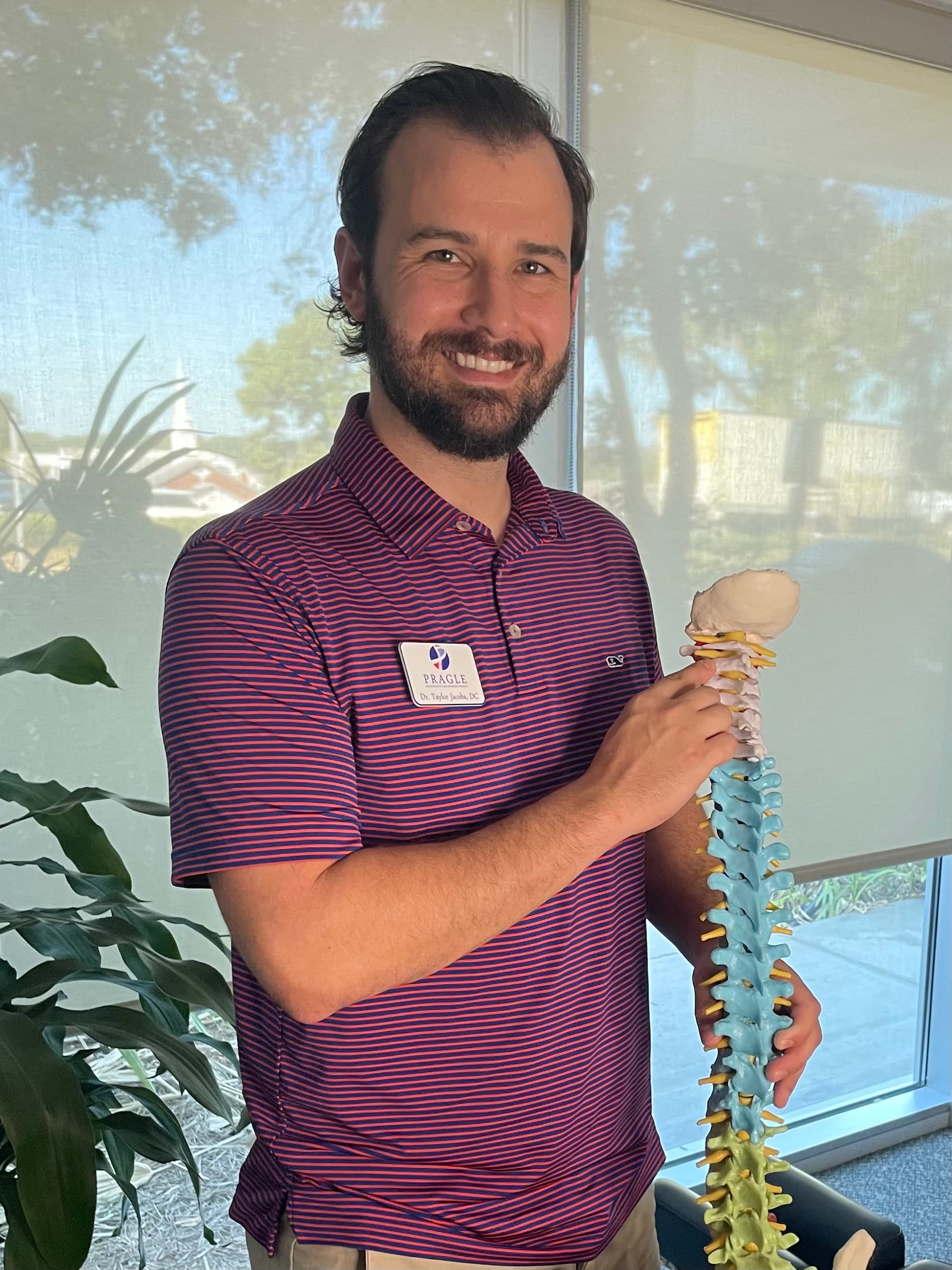
Dr. Pragle explaining spinal anatomy to a patient
“The 14-day deadline isn't just a legal technicality — it's the difference between $10,000 and $2,500 in medical coverage for your recovery.”
⚠ Don't Wait
See a Doctor Today — Protect Your $10,000 PIP Benefit
Same-day appointments. We bill PIP insurance directly — no cost to start.
Call (850) 508-5951Book online →Frequently Asked Questions
Answered by Dr. Eric Pragle, D.C.
What happens if I fail to see a doctor within 14 days after a Florida car accident?
Does seeing a chiropractor count for the 14-day rule?
What qualifies as an Emergency Medical Condition (EMC)?
Can I go to urgent care instead of a chiropractor to start my PIP clock?
I felt fine after my accident but now I am in pain three days later. Is it too late?
Does the 14-day rule apply even if the other driver was clearly at fault?
Pragle Chiropractic, Accident And Injury Clinic · Tallahassee, FL
Were You in a Car Accident?
Same-Day Appointments Available.
We bill Florida PIP insurance directly — no out-of-pocket cost to start your recovery. Serving all of Tallahassee including FSU and FAMU students.