
Headaches After a Car Accident: When It’s More Than Just Stress
A headache after a car accident may seem like a small issue compared with the shock of the collision itself, but it is one symptom that should never be ignored. Headaches are one of the most common symptoms people experience after a crash. Understanding why they happen, what warning signs to watch for, and how treatment may help can make a major difference in recovery.
⚠ Florida law: you have 14 days after your accident to see a doctor — or lose up to $10,000 in PIP benefits.
Same-Day Appt → (850) 508-5951
Written by
Dr. Eric Pragle, D.C.
Car Accident Chiropractor · Pragle Chiropractic, Accident And Injury Clinic Tallahassee FL
Dr. Eric Pragle is a licensed Doctor of Chiropractic specializing in automobile accident injury evaluation and treatment. With deep expertise in Florida PIP insurance law, he helps Tallahassee accident victims navigate their coverage and receive the care they need — from initial evaluation through full recovery.
Key Takeaway
A headache after a car accident may seem like a small issue compared with the shock of the collision itself, but it is one symptom that should never be ignored. Headaches are one of the most common symptoms people experience after a crash. Understanding why they happen, what warning signs to watch for, and how treatment may help can make a major difference in recovery.
Headaches After a Car Accident: When It’s More Than Just Stress
A headache after a car accident may seem like a small issue compared with the shock of the collision itself, but it is one symptom that should never be ignored. Many people assume that post-accident headaches are simply caused by stress, tension, or the emotional shock of the event. While stress can absolutely play a role, headaches that begin after a crash are often connected to a physical injury in the neck, spine, muscles, or even the brain.
The force of a car accident can be surprisingly damaging, even when the collision seems minor. Your body is suddenly accelerated, decelerated, or twisted in ways it was never meant to move. In that split second, the muscles and ligaments supporting the neck can stretch beyond their normal range, the joints in the cervical spine can become irritated, and the head may absorb enough force to cause a concussion or other injury. The result can be a headache that appears right away or develops hours, days, or even longer after the accident.
This is an important topic because headaches are one of the most common symptoms people experience after a crash. Understanding why they happen, what warning signs to watch for, and how treatment may help can make a major difference in recovery.
Why headaches happen after a car accident
Car accidents create sudden force that travels through the body. Even at low speeds, the impact can cause the neck to snap forward and backward rapidly, a motion commonly called whiplash. This movement can strain muscles, irritate soft tissues, and place stress on the joints and nerves in the cervical spine.
The neck and head are closely connected, so when the neck is injured, pain often shows up as a headache. This is why many post-accident headaches are not actually coming from the head itself, but from the structures in the neck. In some cases, inflammation and muscle tightness limit normal motion, which can lead to recurring pain, pressure, or a heavy feeling in the head.
Headaches after a crash may also be linked to trauma beyond whiplash. A direct blow to the head, sudden jarring motion, or violent shaking may lead to a concussion. Even if there was no obvious head strike, the brain can still be affected by the forces involved in the collision. That is why it is important not to dismiss symptoms simply because the damage is not visible.
Common types of post-accident headaches
Not every headache feels the same, and the type of pain can offer clues about what is happening in the body. A chiropractic provider may consider several possibilities when evaluating a patient after a collision.
Tension-type headaches
These headaches often feel like a dull, aching pressure or a tight band around the head. They may be caused by tense muscles in the neck, shoulders, and upper back. After an accident, people may unconsciously hold their bodies rigid due to pain, fear, or stress, which can make this type of headache more likely.
Cervicogenic headaches
A cervicogenic headache originates in the neck but is felt in the head. This type of headache often starts at the base of the skull and may radiate to one side of the head, behind the eyes, or into the forehead. It is commonly associated with neck injuries, poor mobility, or irritation in the upper cervical spine. People with cervicogenic headaches may also notice that certain neck movements make the pain worse.
Migraine-like headaches
Some crash-related headaches have migraine features, such as throbbing pain, nausea, light sensitivity, sound sensitivity, or visual changes. While not every migraine after a car accident is caused directly by the accident, trauma can trigger or worsen migraine symptoms in people who are already prone to them.
Concussion-related headaches
If the head or brain was affected during the crash, headache may be part of a concussion symptom pattern. These headaches may be accompanied by dizziness, confusion, memory issues, fatigue, blurred vision, irritability, or trouble concentrating. Because concussion symptoms can be subtle at first, some people do not realize they have one until later.
Why symptoms may not show up right away
One of the most confusing parts of accident-related injuries is that symptoms are often delayed. A person may walk away from a collision feeling mostly fine, only to wake up the next day with a stiff neck and a pounding headache. In other cases, the pain may take several days to fully develop.
This delay happens because the body’s immediate response to trauma can mask pain. Adrenaline and shock may temporarily reduce the sensation of discomfort. As inflammation builds and muscles tighten up, symptoms become more noticeable. This is one reason it is smart to get checked after a crash even when you feel okay at first.
When it may be more than stress
Stress can certainly contribute to headaches, especially after an upsetting event like a car accident. The emotional impact of a crash can make muscles tense, breathing shallow, and pain more noticeable. However, stress alone is not always the real cause.
A headache may be more concerning if it started after the accident and continues to return, becomes more intense over time, or is paired with other symptoms. Neck pain, stiffness, reduced range of motion, shoulder pain, numbness, tingling, dizziness, nausea, vision changes, or trouble focusing can all suggest a physical injury that needs attention.
It is also important to pay attention to how the headache behaves. If it worsens when you move your neck, look up or down, or stay in one position too long, the source may be musculoskeletal rather than purely stress-related. Headaches that change with posture or neck movement should be evaluated carefully.
Other injuries that can contribute
Headaches after a car accident are not always caused by one single problem. Several injuries may be happening at the same time.
Whiplash can strain the soft tissues in the neck. Cervical joint irritation can affect nerve signaling and posture. Muscle spasms can create pain that radiates into the head. A concussion can produce neurological symptoms that overlap with headache. Even jaw tension from clenching during the crash can contribute to head pain.
This overlap is one reason self-diagnosis is difficult after an accident. A headache may seem like a simple symptom, but it may actually be the result of several injuries working together. A proper exam can help sort out what is contributing to the pain and what kind of care is most appropriate.
Why early care matters
Some people try to push through symptoms and hope they will go away with time. While mild headaches may improve on their own, accident-related pain should not be ignored. When the underlying cause is not addressed, the body may continue compensating in unhealthy ways.
For example, if the neck is stiff or inflamed, you may alter your posture to protect it. That can create more tension in the shoulders, upper back, and jaw, which may worsen the headache over time. Inflammation may also linger if the area continues to be irritated. The longer these patterns continue, the more likely the pain becomes chronic.
Early care can help identify the source of the headache before it snowballs into a bigger problem. It can also provide reassurance and a plan, which is important for patients who are feeling anxious after an accident.
How chiropractic care may help
A chiropractic auto injury clinic focuses on evaluating and treating the types of injuries that commonly occur in car accidents. The first step is usually a thorough assessment, which may include questions about how the accident happened, when symptoms started, and what makes the headache better or worse. A provider may also check posture, neck motion, muscle tightness, joint function, and other areas of pain.
Treatment depends on the findings, but may include gentle spinal adjustments, soft tissue therapy, rehabilitative exercises, stretching, and advice for modifying daily activities. The goal is to reduce irritation, restore movement, and help the body heal more normally.
In many cases, chiropractic care is part of a broader recovery plan. Depending on the severity of the injury and the symptoms involved, the patient may also need care from a medical doctor, physical therapist, neurologist, or urgent care provider. A good clinic recognizes when referral is necessary and makes patient safety the priority.
What a patient can do at home
Recovery does not happen only in the clinic. What you do at home matters too.
Rest is important in the first stages after a crash, but complete inactivity is not always the answer. Gentle movement, as recommended by your provider, may help keep the neck from stiffening up. Paying attention to posture, avoiding long periods of looking down at a phone, and using supportive sleeping positions can also make a difference.
It can be helpful to keep a simple symptom log. Write down when the headaches happen, how long they last, where the pain is located, and whether anything makes them worse. This information can help your provider determine patterns and adjust the treatment plan if needed.
Staying hydrated, avoiding overexertion, and following any care instructions you receive are also important. If your provider recommends ice, heat, stretching, or temporary activity changes, consistency matters.
When to seek urgent help
Seek urgent care or emergency evaluation if you have a severe headache that worsens quickly, repeated vomiting, confusion, fainting, weakness, numbness, slurred speech, seizures, loss of consciousness, worsening vision changes, or major balance problems. These symptoms could indicate a concussion or another serious condition.
It is always better to be cautious if something feels off. If you are unsure whether your symptoms are urgent, it is safer to err on the side of medical evaluation.
The role of documentation
After an accident, documenting symptoms can be helpful for both your recovery and any insurance or legal process that may follow. Keep records of when the headache started, how often it occurs, and what treatment you receive. Note any related symptoms such as neck pain, dizziness, or nausea.
This kind of documentation can help show how the injury is affecting your daily life. It can also help your providers track whether treatment is working. Even if you are not sure whether you will need the records later, keeping them is a smart step.
A headache is a signal
A headache after a car accident is the body’s way of saying something is wrong. It may be stress-related, but it may also be pointing to whiplash, cervical joint dysfunction, muscle strain, concussion, or another injury that needs attention. The key is not to ignore it.
If you or someone you care about is dealing with headaches after a crash, getting evaluated sooner rather than later can help prevent complications and support a smoother recovery. With the right care, many patients are able to reduce their pain, improve movement, and return to normal life more comfortably.

Chiropractic care at Pragle Chiropractic, Tallahassee FL
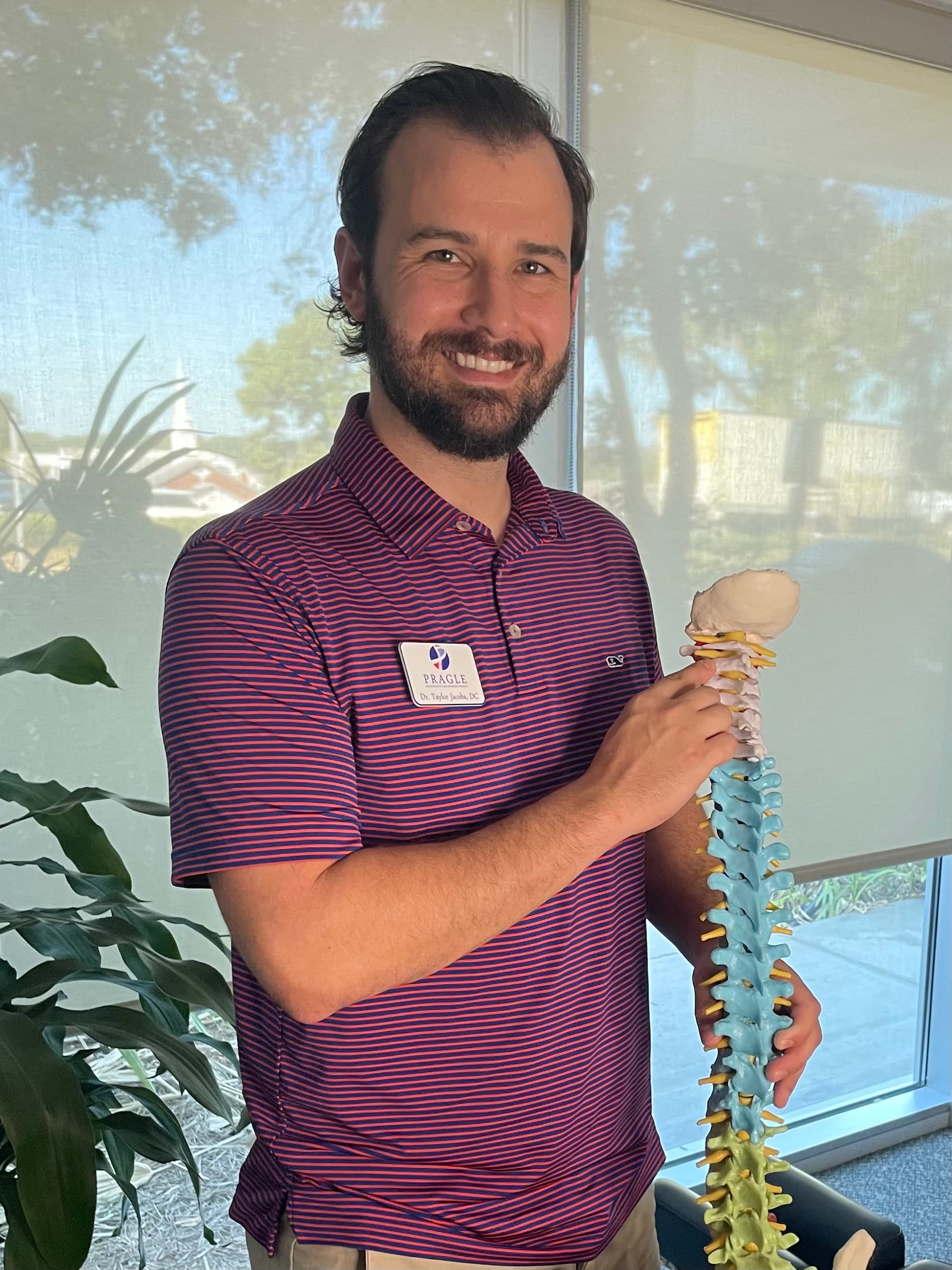
Dr. Pragle explaining spinal anatomy to a patient
“The 14-day deadline isn't just a legal technicality — it's the difference between $10,000 and $2,500 in medical coverage for your recovery.”
⚠ Don't Wait
See a Doctor Today — Protect Your $10,000 PIP Benefit
Same-day appointments. We bill PIP insurance directly — no cost to start.
Call (850) 508-5951Book online →Frequently Asked Questions
Answered by Dr. Eric Pragle, D.C.
What happens if I fail to see a doctor within 14 days after a Florida car accident?
Does seeing a chiropractor count for the 14-day rule?
What qualifies as an Emergency Medical Condition (EMC)?
Can I go to urgent care instead of a chiropractor to start my PIP clock?
I felt fine after my accident but now I am in pain three days later. Is it too late?
Does the 14-day rule apply even if the other driver was clearly at fault?
Pragle Chiropractic, Accident And Injury Clinic · Tallahassee, FL
Were You in a Car Accident?
Same-Day Appointments Available.
We bill Florida PIP insurance directly — no out-of-pocket cost to start your recovery. Serving all of Tallahassee including FSU and FAMU students.